The portals will tell you Sequoyah Hills has a median sale price somewhere between $722,500 and $912,000, depending on which site you check and which month you pull. That range itself is the first clue. In a neighborhood where houses range from $310,000 to $3,050,000, a single median tells you almost nothing about what your money will actually buy.
The address on the deed matters less than two things no listing summary shows: whether the systems inside the home have been brought current, and whether the property falls under a historic overlay that governs what you can change on the outside. Understand those two, and the wide price band starts to make sense.
The overlay most out-of-market buyers miss
Sequoyah Hills is not one regulatory environment. Homes along Scenic Drive and adjacent blocks sit inside a Conservation Overlay administered by the Knoxville Historic Zoning Commission. The Commission reviews properties for contributing or non-contributing status, and can allow demolition only in limited circumstances such as fire, flooding, or wind damage. Exterior alterations, additions, new construction on vacant lots, and demolitions run through a Certificate of Appropriateness process before a building permit is issued.
What is exempt is narrower than most buyers assume. Interior alterations, wiring, plumbing, painting, and the addition of artificial siding or roofing may require a building permit but do not require a Certificate of Appropriateness. Windows, roofing materials visible from the street, setbacks on new construction, and additions all do.
For a buyer planning a renovation, this is real friction. A four-week window for the Commission's calendar can push a spring closing into a summer start. A material substitution the buyer assumed would be routine can require a redesign. Renovation ROI math that pencils out in Farragut does not translate one-to-one onto a 1928 home on Scenic Drive. The Talahi Improvements were listed on the National Register of Historic Places in 1979, which adds a second layer of preservation attention around Cherokee Boulevard and Talahi Drive.
None of this is a warning against buying inside the overlay. It is a reason to price the overlay into your offer, and to ask your inspector and your agent about it before you write one.
The spread the median hides
Sequoyah Hills sits on a peninsula formed by a bend of the Tennessee River, bounded by the river on three sides and Kingston Pike on the fourth. Within that footprint, the sub-areas behave like different markets:
| Sub-area | What tends to sell there |
|---|---|
| Scenic Drive and the riverfront | Historic estates, largest lots, highest per-transaction prices, overlay applies |
| Cherokee Boulevard and Talahi | Grand corridor homes, mature landscaping, mixed architecture, Talahi Improvements on National Register |
| Old Westmoreland, Forest Heights, Lyons Bend, Forest Brook | Interior streets, more cottages and ranches, wider price band |
| Kingston Pike edge and condos | Entry points including 2-bedroom condo product, walkable to Bearden retail |
Recent data reflects that variance rather than resolving it. Redfin recorded a median sale price of $722,500 in Sequoyah Hills for March 2026, up 8.6% year over year. In the same window, Movoto put the March 2026 median list price at $912,000 at roughly $349 per square foot, and by June 2026 the median list had settled to $895,000 with a median 30 days on market, a 28% decrease from June 2025. Homes.com's rolling 12-month median came in at $850,000, down 6% from the prior 12 months.
Four sources, four different numbers, all technically accurate. The discrepancy is the story. A neighborhood that transacts a small number of highly varied homes each month produces a median that swings with whichever handful of properties happened to close. If the March closings skewed toward interior cottages, the median lands lower. If two Scenic Drive estates close in the same month, the median jumps. Anchoring to one figure is anchoring to noise.
Age of house explains more than address
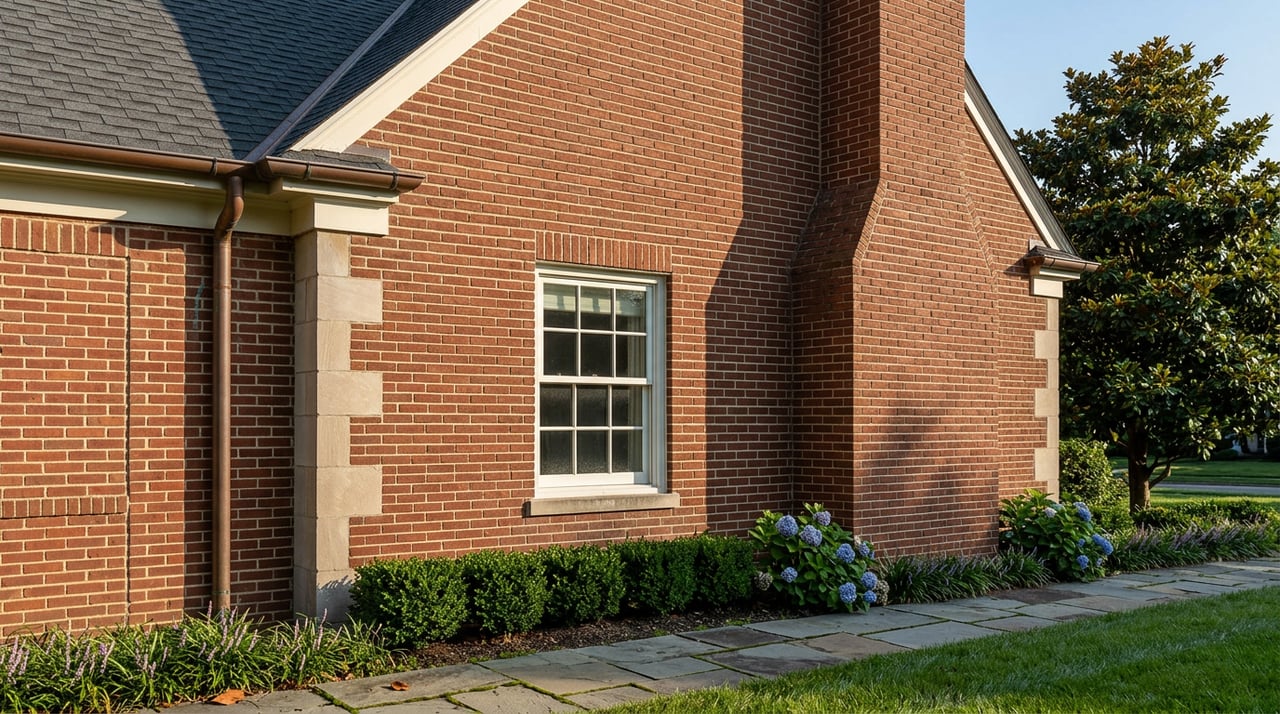
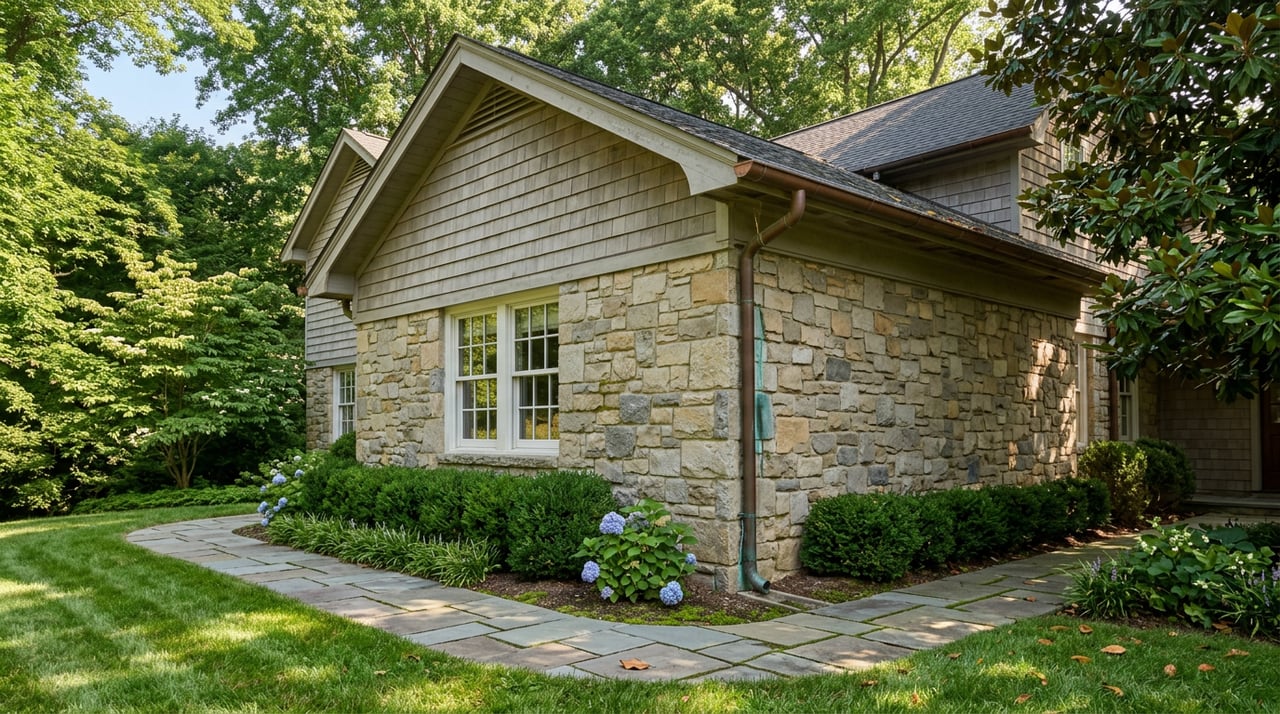
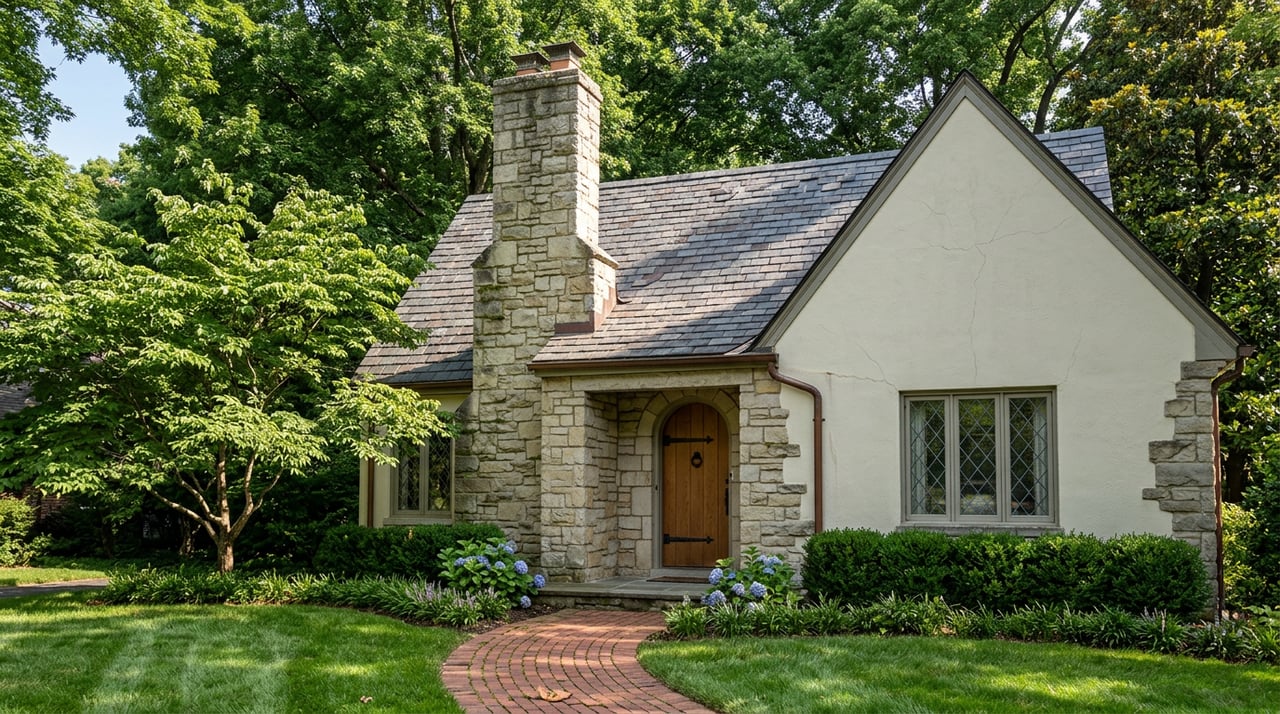
Sequoyah Hills is one of Knoxville's oldest neighborhoods. The majority of homes were built before the 1960s, with 339 houses built in 1939 or earlier; you can find English Tudor mansions along the river, American Colonials, Spanish and Italian houses, upscale Victorian homes, cottages built after World War II, ranch houses from the '50s and '60s, and modern buildings; 54.9 percent of homes were built between 1940 and 1969, while 29 percent were born between 1970 and 1999; 18 percent of the houses in the area were built before 1939. The neighborhood contains numerous notable examples of mid-20th century residential architecture, with houses designed by architects such as Charles I. Barber, Benjamin McMurry, and Francis Keally.
That distribution has a direct pricing consequence. When a majority of the housing stock predates the 1970s, HVAC age, electrical service capacity, roof life, sewer laterals, and window condition become the actual axis of value. Two homes on the same block, same square footage, same lot size, can trade $200,000 or more apart based entirely on whether the systems have been touched in the last decade.
The current listing set makes the point. Renovation callouts read like a systems checklist rather than a design brief: new HVAC in 2025, water heater in 2022, exterior paint in 2025 on one home. Thoughtful 2009 and 2024 renovations flagged as headline features on others.
Broader market context sharpens the incentive. With mortgage rates hovering around 6%, buyers are stretching their debt-to-income ratios to the maximum, and because they are using every dollar for down payment and monthly mortgage, they have little cash left over for repairs. A 1948 cottage with original systems and a 1948 cottage with 2024 mechanicals are not the same product, and the market is pricing that gap wider than it did in 2021.
What this means at the offer stage
The playbook shifts once you accept that the median is noise and the systems are signal.
- Ask for the full permit history on any home built before 1980. HVAC replacement, panel upgrades, roof, and window permits tell you where the last owner spent, and where you will.
- If the property is on Scenic Drive or an adjacent street, confirm overlay status before signing. The Knoxville Historic Zoning Commission publishes the Scenic Drive designation report through knoxplanning.org, and your agent can pull the contributing or non-contributing designation for the specific parcel.
- Get an inspector who works Sequoyah Hills regularly. Original knob-and-tube segments, galvanized supply lines, and clay sewer laterals are not deal killers, but they are line items, and you want them priced before closing.
- Compare price per square foot only within renovation tiers. A $349 per square foot Scenic Drive Tudor with 1980s systems is a different asset than a $349 per square foot 1960 ranch in Old Westmoreland with a 2023 renovation.
- Model your renovation timeline with the Commission calendar in mind if you are inside the overlay. Interior work stays on your general contractor's schedule. Exterior work does not.
The neighborhood texture that supports the price
None of the above suggests hesitation. Sequoyah Hills earns its premium the same way it has since the 1920s. Sequoyah Park is an 87-acre space along the water at the heart of the neighborhood, and a riverside nature trail stretches over 5 miles. In 1955, Sequoyah Hills became the first neighborhood included in the Dogwood Arts Trail, a seasonal route that now includes 13 neighborhoods across Knoxville. The commercial edge is small and specific: Bear Den Books and Treetop Coffee Shop anchor the neighborhood's small commercial center, and The Plaid Apron is a cozy café serving American menu items. Sequoyah Elementary sits inside the neighborhood. Downtown Knoxville, the University of Tennessee, and Bearden retail are all inside a ten-minute drive.
The peninsula geometry is part of the pricing story too. There is no more Sequoyah Hills to build. New supply comes from renovation of existing stock, not from platting. That constraint is why an 8.6% year-over-year median gain shows up here in a metro where the broader Knoxville market is in neutral territory, with the median sale price around $401,000 down 0.74% year-over-year, homes moving in 49 days, and properties selling for 97.92% of asking.
A short FAQ
How do I find out if a specific home is inside the Conservation Overlay? Ask your agent to pull the parcel's designation from the Scenic Drive Area Designation Report on knoxplanning.org, or contact the Knoxville Historic Zoning Commission directly. Overlay boundaries do not follow every street in Sequoyah Hills, so confirmation matters.
Is a home outside the overlay a better bet if I plan to renovate? Not automatically. Homes outside the overlay give you more freedom on exteriors, but the same age-of-systems questions apply, and interior streets tend to trade at lower per-square-foot prices for a reason. The right answer depends on the specific renovation you have in mind.
Why do the portal medians disagree so much? Sequoyah Hills closes a small number of highly varied homes each month. A shift of two or three sales between the low end and the high end moves the median significantly. Look at trailing 12-month medians before you look at monthly figures.
Are condos in Sequoyah Hills a reasonable entry point? They can be. Two-bedroom condo product has traded in the $310,000 to $400,000 range recently, offering the neighborhood address and walkability to Bearden without the maintenance load of an older single-family home. Condo association rules and fees deserve the same scrutiny you would give the overlay on a house.
If you are weighing a purchase in Sequoyah Hills, the conversation worth having is not about the median. It is about which specific block, which specific home, and which specific renovation trajectory fits what you are trying to build. Stephanie Wilson has spent more than three decades helping buyers and sellers read East Tennessee neighborhoods this closely. Let's Connect when you're ready to move from browsing to a plan.