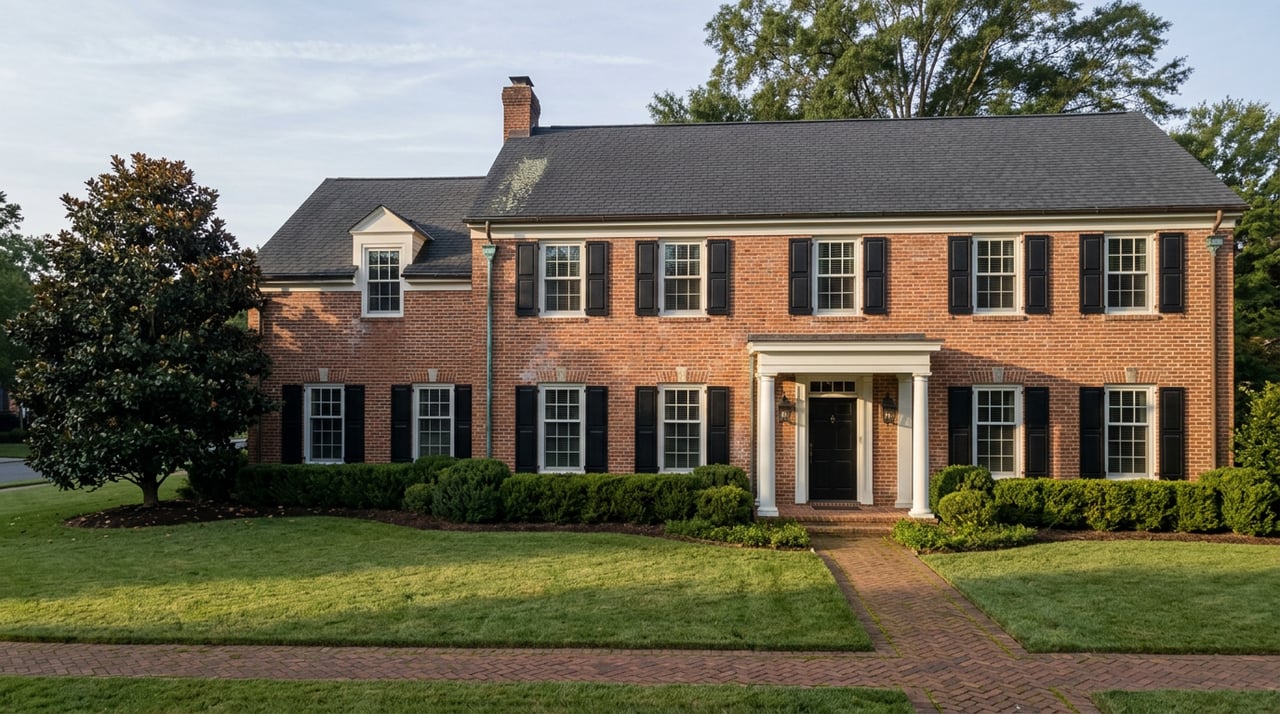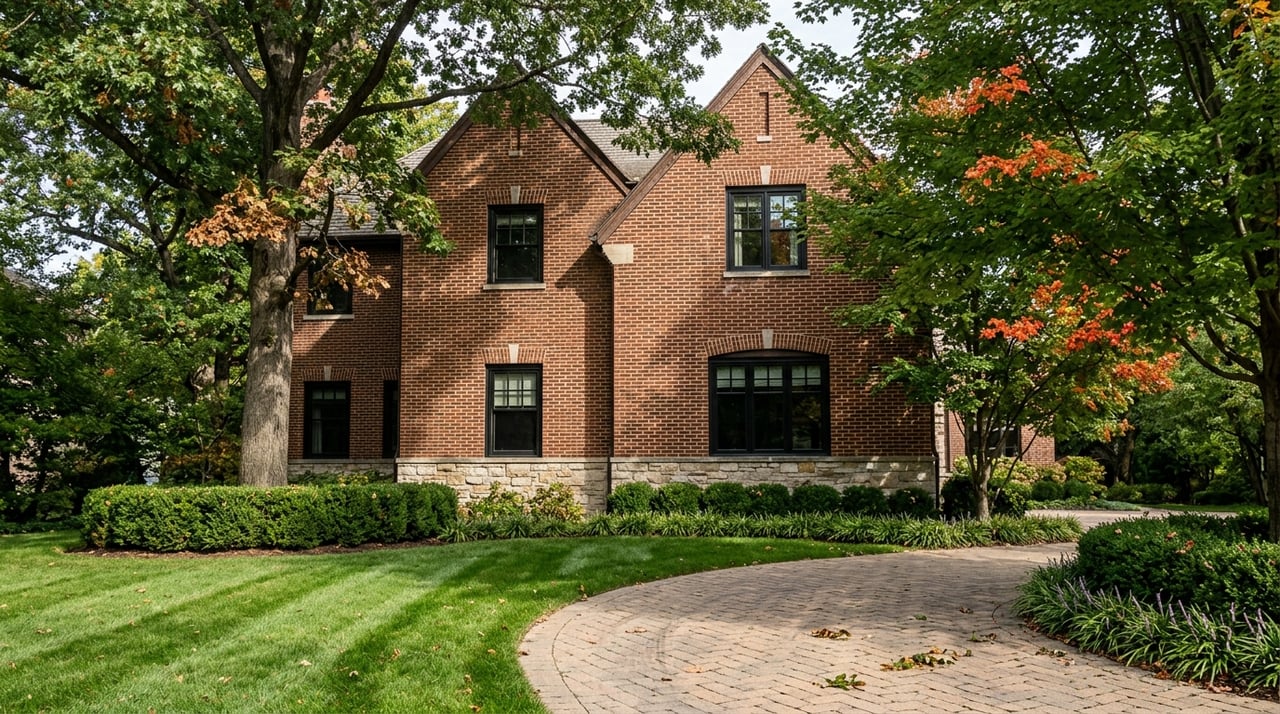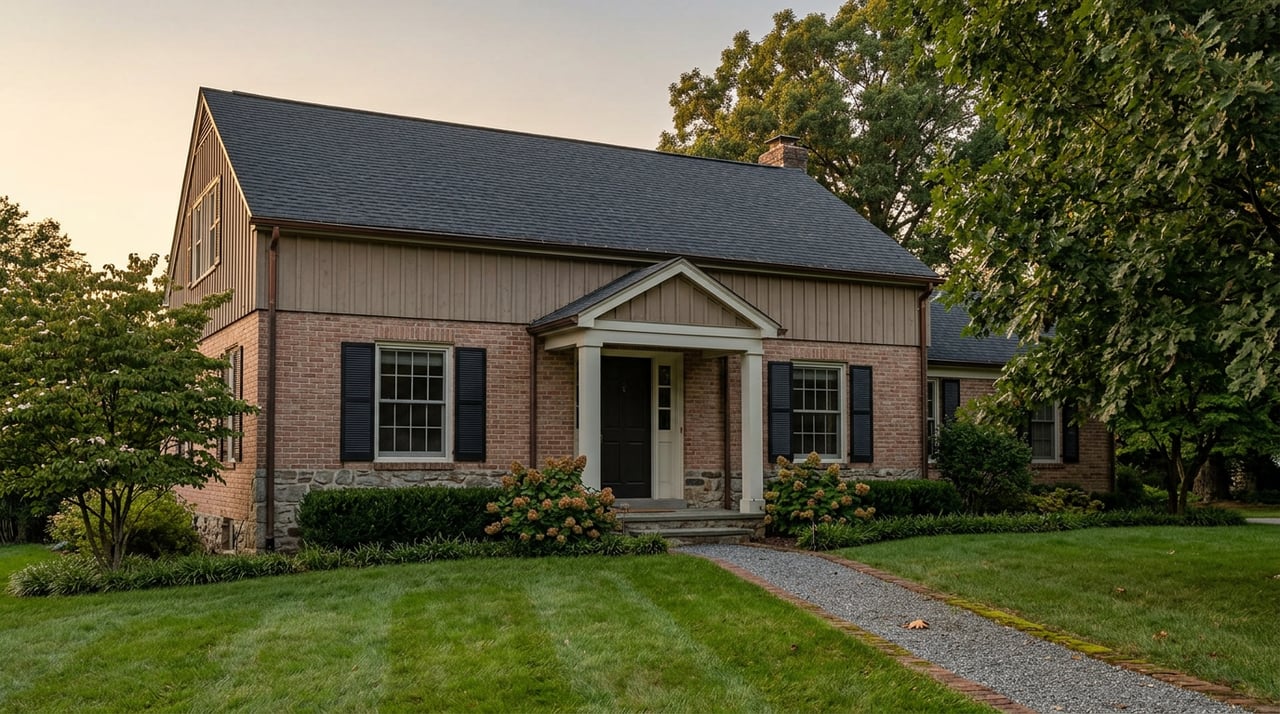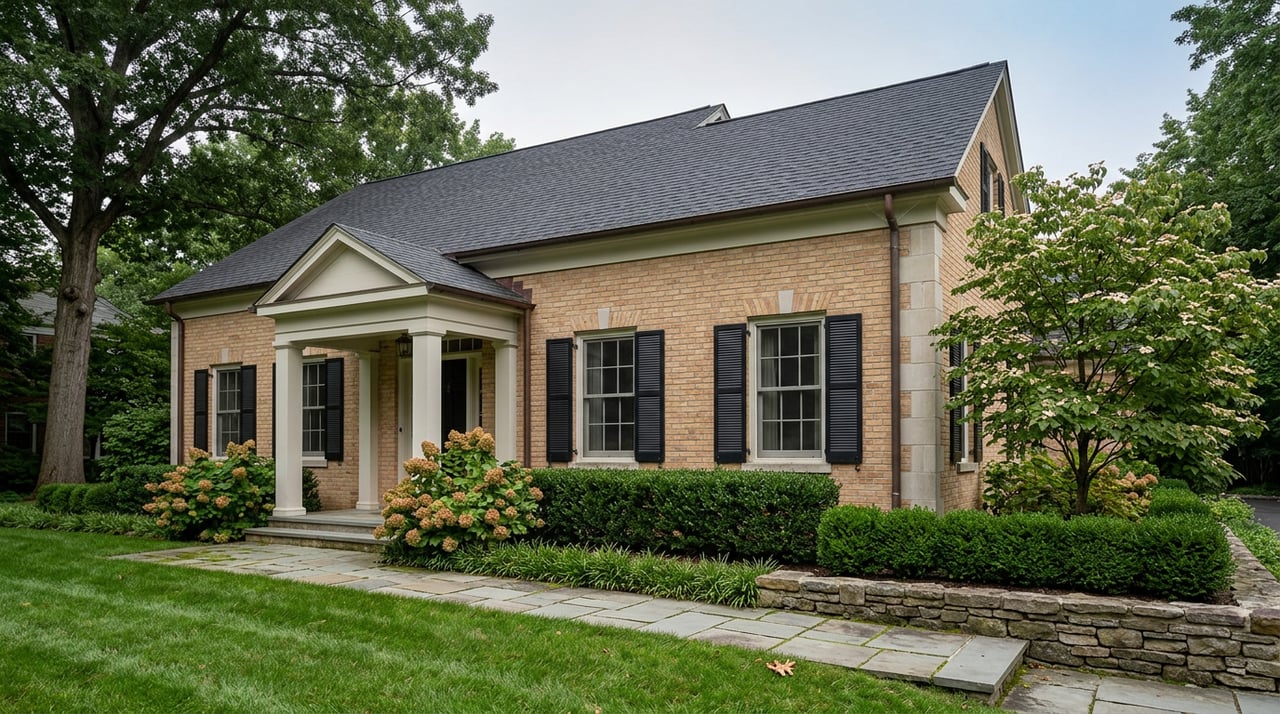
Two homes on Barnsley Road, both inside Bridgemore's Phase 3 section, are listed within a dollar of each other. One asks $2,499,999 for 5,465 square feet. The other, a few doors down, asks $2,500,000 for 5,099 square feet. Same street, same phase, same era of construction, and a difference of nearly 400 square feet that the price tag doesn't show. If you pulled the median list price for Bridgemore right now and called it "the market," you'd have missed the fact that this single subdivision is quietly running two different housing products under one HOA.
As of August 8, 2026, Bridgemore had six homes listed, a median list price of $2.5 million, an average price per square foot of $497.89, and homes sitting an average of 58 days before going under contract. Those numbers are real, but they're an average of things that don't average cleanly. Bridgemore isn't one neighborhood with one price curve. It's an original section built out mostly in the 2000s, sitting next to a Phase 3 that's still under construction, where the largest custom estates in the neighborhood are only now being finished. Comparing price per square foot across both without separating them is like averaging the price of a used sedan and a new pickup truck and calling it "the going rate for a vehicle."
What the neighborhood's own history reveals
Bridgemore wasn't always a $2.5 million median. Records from when the community had just 21 homes built put the average sales price at $885,400, with an average of 4,472 square feet and an average construction year of 2004. HOA dues at that point ran $100 a month. That's roughly $198 per square foot, a figure that would look almost affordable next to today's $497.89 average, until you realize it's describing a different physical product built two decades earlier under different construction costs and a different design era.
That older core still exists inside Bridgemore. It's part of why a 3,771-square-foot home on Larksong Drive can list at $1,625,000, a real price point in the same HOA as a 5,099-square-foot Phase 3 home asking $2.5 million. The gap isn't location. Every home in Bridgemore shares the same 340-acre footprint, the same boulevard with its stone bridges and ponds, the same clubhouse. The gap is vintage, size, and what phase of the development you're standing in.
Why Phase 3 changes the math
Bridgemore was planned in phases from the start, and the community has said publicly that more phases are still coming after the current three. Phase 3 is where the newest, largest custom homes are landing, and it's driving the top of the range. A home on Highwick Circle recently listed at $4,300,000 for 8,464 square feet, about $508 a square foot, in a home with 6 bedrooms and 8 bathrooms. That's not a stretched comparison to the 2004-era average. It's a different category of home, built to a different brief, in a different decade of construction costs.
This is also where the neighborhood's design covenants start to matter more than most buyers expect. Bridgemore's builders and architects worked under covenants and a design review board specifically to keep the community's architectural character consistent as it grew, which is part of why a subdivision with homes dating to 2004 sitting next to homes still being finished today still reads as one cohesive streetscape rather than a patchwork. That consistency isn't automatic. It's the result of a review process every custom build has to clear before ground gets broken.
For a buyer used to shopping finished resale homes, that review process is unfamiliar territory. It means a raw lot in Bridgemore isn't a blank canvas. Some sellers have started addressing this directly: one available homesite in the original section of the neighborhood is being marketed with a full architectural plan already attached, drafted by local designer Stephen Davis Designs for an approximately 8,000-square-foot home with a walk-out basement. The buyer isn't just purchasing dirt. They're purchasing a lot with a design review question already answered for them, which is worth real money and real time in a community where the review board has final say over what gets built.
The lot is rarely the expensive part
Land inside Bridgemore has listed for as little as roughly $120,000 for an empty lot and up to about $350,000 for just over half an acre, based on listings tracked earlier this month. Set that against a $2.5 million median list price for a finished home and the arithmetic gets clear fast. The land is a small fraction of what a Bridgemore address actually costs. The real spend, and the real variable, is what gets built on it and how it clears design review.
That has a practical consequence for anyone comparing "Bridgemore price per square foot" against other Farragut neighborhoods. A psf figure calculated off six current listings, several of them still under construction in Phase 3, is going to run well above what an older, finished home in the same HOA would appraise for. If your agent quotes you a Bridgemore average without asking which phase, you're not getting a useful number.
Before you tour a lot or a Phase 3 build
A short list worth working through before making an offer on raw land or a still-under-construction home in Bridgemore:
- Ask which phase the lot sits in and whether the design review board has already approved plans, or whether that step is still ahead of you.
- Request the current HOA dues and reserve study. The $100-a-month figure on record dates back to when the community had only 21 homes, and dues on a mature, amenity-rich HOA with a clubhouse, pool, and walking trails almost certainly look different today.
- Compare price per square foot only within the same phase and rough construction era, not across the whole neighborhood.
- If a lot comes with an architect's plan attached, find out whether that plan has already cleared design review or whether it's still pending approval.
What's still consistent across every phase
None of this is a knock on Bridgemore. The reason buyers pay a premium at any phase is the same reason the community has held its character for two decades. Residents share access to a clubhouse built around a lane pool, a resort-style pool with a separate area for younger children, and walking trails that wind through more than 120 acres of the development's roughly 340 total acres set aside as parkland and green space. The center boulevard's stone bridges cross ponds that are home to resident swans, a detail more than one source on the neighborhood mentions independently, which says something about how consistently it shows up in how people describe living there.
That consistency, physical and architectural, is the product the design review board is protecting. It's also why a 2004 home and a brand-new custom build can share a mailing address and still feel like part of the same place.
A few common questions
Is Bridgemore's median price a fair way to compare it to other Farragut neighborhoods? Not on its own. With only a handful of homes active at any time, and a mix of original-phase and Phase 3 construction in that small sample, the median can swing hard based on which two or three homes happen to be listed. Look at the phase and vintage behind the number before comparing it elsewhere.
Do all Bridgemore lots require design review board approval before building? Based on how the community describes its covenants, yes, new construction goes through a review process meant to preserve architectural consistency. Buyers considering a custom build should ask directly what that process involves and how long it typically takes before assuming a construction timeline.
Are HOA dues still around $100 a month? That figure comes from a point when Bridgemore had just 21 homes. The community has grown substantially since, added amenities, and matured its landscaping and infrastructure. Current dues should be confirmed directly rather than assumed from older figures.
If you're weighing a finished home in Bridgemore's original section against a custom build in Phase 3, or trying to figure out what a listing's price per square foot actually tells you about the property, that's exactly the kind of question worth working through before you write an offer. Stephanie Wilson has spent more than three decades helping East Tennessee buyers read past the headline number to what a property and its HOA actually require. Let's Connect.